Green Initiatives: How E-Waste Recycling Services Are Protecting Our Planet
Electronic waste presents serious dangers to the environment, as disposed electronics frequently harbor hazardous substances. Such dangerous compounds can pollute soil and water supplies, causing extensive damage to surrounding ecosystems. Electronic waste recycling programs offer an effective remedy. They successfully retrieve useful resources while simultaneously minimizing environmental pollution. Comprehending the operation of these services and their influence on communities is of great importance. The path to successful electronic waste management prompts vital discussions about personal accountability and communal efforts. What actions should be considered going forward?
Why E-Waste Poses a Threat to the Planet
Even though technology enhances contemporary living, e-waste creates serious threats to the environment. Disposed electronic equipment, commonly laden with toxic substances including mercury, lead, and cadmium, are capable of seeping pollutants into the surrounding soil and water supply, creating hazards for both wildlife and human well-being. The rapid pace of technological advancement contributes to higher rates of electronics disposal among consumers, exacerbating the accumulation of discarded electronic materials.
Landfills, already overwhelmed with refuse, find it difficult to handle the increasing amounts of discarded devices. Incineration, a common waste management technique, emits dangerous pollutants into the environment, degrading atmospheric conditions. Moreover, poor recycling procedures can cause e-waste to be sent to developing regions, where employees may disassemble electronics without sufficient safety precautions, leaving them vulnerable to harmful substances. This cycle of neglect and improper handling underscores the urgent need for sustainable recycling solutions that can mitigate the adverse effects of e-waste on the planet.
What Is E-Waste and Why Is It Important?
E-waste, or electronic waste, includes obsolete electronic products including smartphones, computers, and televisions that are no longer functional or needed. This growing category of waste is significant owing to its accelerating volume, driven by technological advancements and consumer trends. As growing numbers of electronics become outdated, the toll on the environment grows more severe, with dangerous elements including lead, mercury, and cadmium threatening both ecosystems and public health.
Addressing e-waste is crucial not only for reducing these dangers but also for acknowledging the precious materials found within it. Critical metals and rare earth components can be reclaimed and recycled, decreasing the reliance on mining and protecting natural resources. By understanding e-waste and its implications, individuals and organizations can make informed decisions about disposal and recycling, ultimately contributing to a more sustainable future. Responsible management of e-waste plays a key role in supporting a circular economy and championing environmental stewardship.
The Way E-Waste Recycling Functions
The recycling of e-waste encompasses an organized procedure intended to extract beneficial components while minimizing environmental impact. At the outset, discarded electronics are retrieved and sent to specialized recycling facilities. After reaching the facility, the equipment is meticulously organized to separate hazardous components from recyclable materials.
After this step, specialists break down the products, removing plastics, metals, and glass. This process is vital, as it facilitates the retrieval of high-value metals like gold, silver, and copper, which can be reused in new electronic products.
Next, the isolated materials are handled via advanced techniques, such as shredding and specialized chemical treatments, to refine them for reuse.
In the final step, the leftover hazardous materials are disposed of responsibly, adhering to eco-friendly standards. This comprehensive process not only preserves valuable resources but also reduces the dangers linked to irresponsible electronic waste disposal, guaranteeing a greener future for the consumption of electronics.
Why E-Waste Recycling Matters for You and Your Community
Though many people are unaware, the benefits of e-waste recycling extend beyond personal convenience to positively impact entire communities. By responsibly disposing of electronic waste, individuals play a role in creating a healthier environment, reducing harmful substances that can leach into soil and water. This forward-thinking practice helps preserve local ecosystems and supports public health.
In addition, e-waste recycling promotes the creation of jobs in communities. Regional recycling centers frequently need staff for a range of functions, from collection to processing, thus generating valuable job opportunities to area workers. This not only strengthens the regional economy but also inspires community dedication to sustainable efforts.
In addition, knowledge about e-waste recycling is capable of inspiring learning opportunities, equipping residents to make environmentally conscious decisions. By engaging with e-waste recycling programs, individuals nurture a culture of sustainability, prompting others to embrace similar practices. In summary, the cumulative impact of these actions can contribute to a more resilient and environmentally responsible community.
Tips for Choosing an E-Waste Recycling Service
Choosing the most suitable e-waste recycling service is crucial for ensuring that electronic refuse is managed responsibly and sustainably. First, consumers should check the service's credentials, such as e-Stewards or R2, which signify conformance to established benchmarks for safe recycling practices. It is equally important to evaluate the provider's standing by reading customer reviews and looking for recommendations from trusted sources.
Next, transparency in the recycling process is vital. A dependable provider should provide clear information about the way e-waste is handled and how the materials Complete guide are utilized. Furthermore, assessing the variety of services available can be advantageous; various firms may supply retrieval services or extend benefits for recycling.
In addition, understanding regional rules concerning e-waste disposal may further shape the selection process. Through focusing on these key aspects, residents can actively participate in effective e-waste management while also advancing green and responsible behaviors.
Ways You Can Participate in E-Waste Recycling?
Engaging in e-waste recycling may begin at the local level, where community recycling hubs regularly supply essential services for safe disposal. Moreover, participating in community awareness campaigns can strengthen efforts to raise awareness about the importance of ethical e-waste practices. Such efforts not only promote sustainability but also build a collective sense of accountability for the environment.
Area Recycling Stations
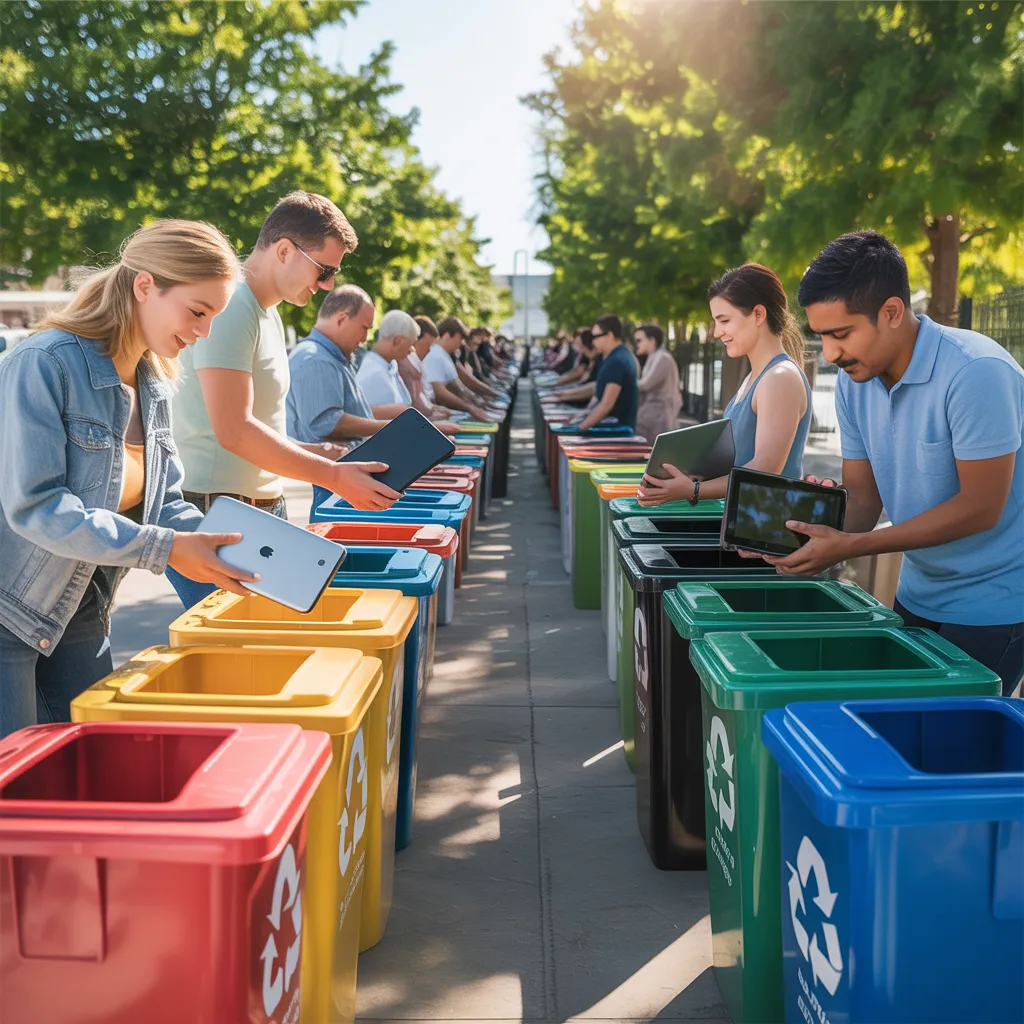
Several neighborhood recycling stations serve a vital function in recycling electronic waste, offering communities convenient opportunities to discard electronic waste in an eco-friendly way. These centers accept a wide array of digital devices, including old computers, smartphones, and televisions, ensuring that harmful materials are handled safely. The majority of facilities employ qualified professionals who are able to assist individuals with correct disposal techniques, highlighting the value of recycling rather than landfilling. Additionally, various hubs coordinate drop-off events or designated collection days, making participation convenient for residents. By taking advantage of these neighborhood resources, residents support a circular economy, minimizing ecological impact and fostering sustainable behaviors. Connecting with these stations enables communities to combat e-waste pollution successfully.
Public Awareness Initiatives
Community groups, educational institutions, and companies can work together to organize events that support e-waste collection drives. Dedicated participants can take a leading part in spreading awareness, distributing educational materials, and engaging with the community. As a result of these combined actions, community members grow more knowledgeable and inspired to dispose of their electronics responsibly, thereby helping to build a greener and more sustainable tomorrow.
Common Questions and Answers
What Types of Electronics Can Be Recycled?
Numerous electronics are able to be recycled, including computers, smartphones, televisions, laptops, gaming consoles, and printers. Moreover, ancillary devices such as mice, keyboards, and batteries are also suitable for recycling, supporting environmental conservation efforts.
Are There Fees Involved With E-Waste Recycling?
That's correct, e-waste disposal may involve costs, subject to the service provider. Some service centers charge fees for gathering or treatment, while other facilities provide no-cost solutions, frequently supported by the resale of recovered materials.
How Do Businesses Gain From E-Waste Recycling?
Organizations can gain from e-waste recycling by minimizing disposal costs, strengthening their ecological standing, complying with regulations, recovering valuable materials, and creating potential earnings via resale, thereby fostering a more environmentally responsible business approach.
What Happens to Data on Recycled Devices?
Data from refurbished devices is frequently completely removed or eliminated during the refurbishment process. This guarantees sensitive information remains secure, preventing unauthorized access while permitting components to be reused safely and responsibly across new manufacturing processes.
Is It Possible to Recycle Damaged Electronics?
Indeed, broken electronics can be recycled. Several centers process non-functioning devices, providing proper disposal and retrieval of recoverable materials. It helps minimize environmental impact while promoting eco-friendly recycling methods to handle electronic waste properly.